Cameron Long · 2 September 2026
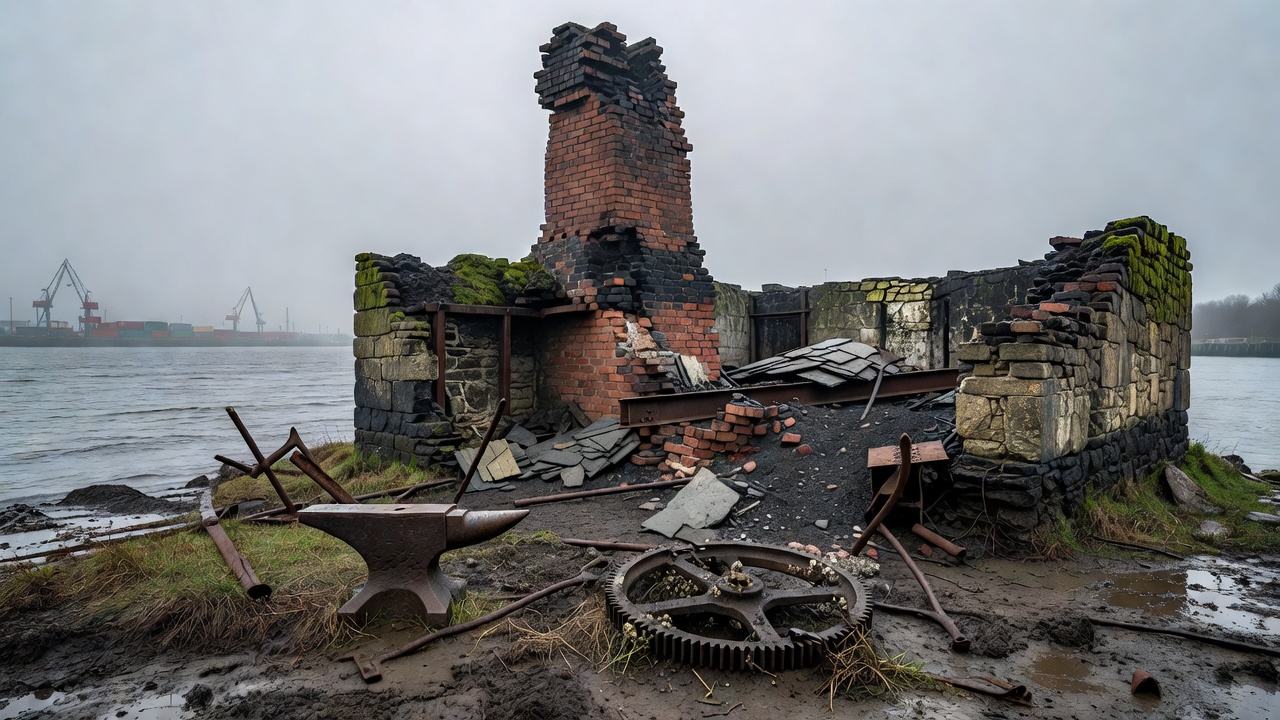
An archaeological excavation along the banks of the River Tyne has revealed remnants of a Victorian-era forge, shedding new light on the region's industrial heritage. The dig, conducted near the former site of Tyne Forge, uncovered foundations, metalworking tools and slag deposits dating from the mid-19th century.
Excavation Findings
Teams from the Tyne Heritage Trust worked for six weeks at the riverside location. They identified stone-lined hearths and fragments of wrought iron consistent with Victorian manufacturing techniques. Artefacts include hammers, tongs and moulds used for shaping metal components for ships and railways. Soil samples revealed high concentrations of coal ash, indicating intensive forging activity. Project lead Dr Helen Carver noted that the layout suggests a small-scale operation serving local shipyards rather than a large factory. Conservation specialists are now cataloguing the items for display at the Tyne Forge Heritage Centre.
Further analysis using radiocarbon dating confirmed the forge operated between 1840 and 1880, aligning with the peak of Tyneside's industrial expansion. The site had been buried under later 20th-century landfill, which preserved the structures from modern development.
Historical Context
Victorian forges along the Tyne played a crucial role in supporting the shipbuilding and engineering industries that made the region world-renowned. Records show the original Tyne Forge supplied anchor chains and boiler plates to yards in Walker and Wallsend. The newly uncovered remains provide physical evidence of these operations and will help historians understand working conditions and production methods of the period. Public open days are planned once safety assessments are complete. The discovery underscores ongoing efforts to preserve Tyneside's industrial legacy for future generations.