Cameron Long · 2 September 2026
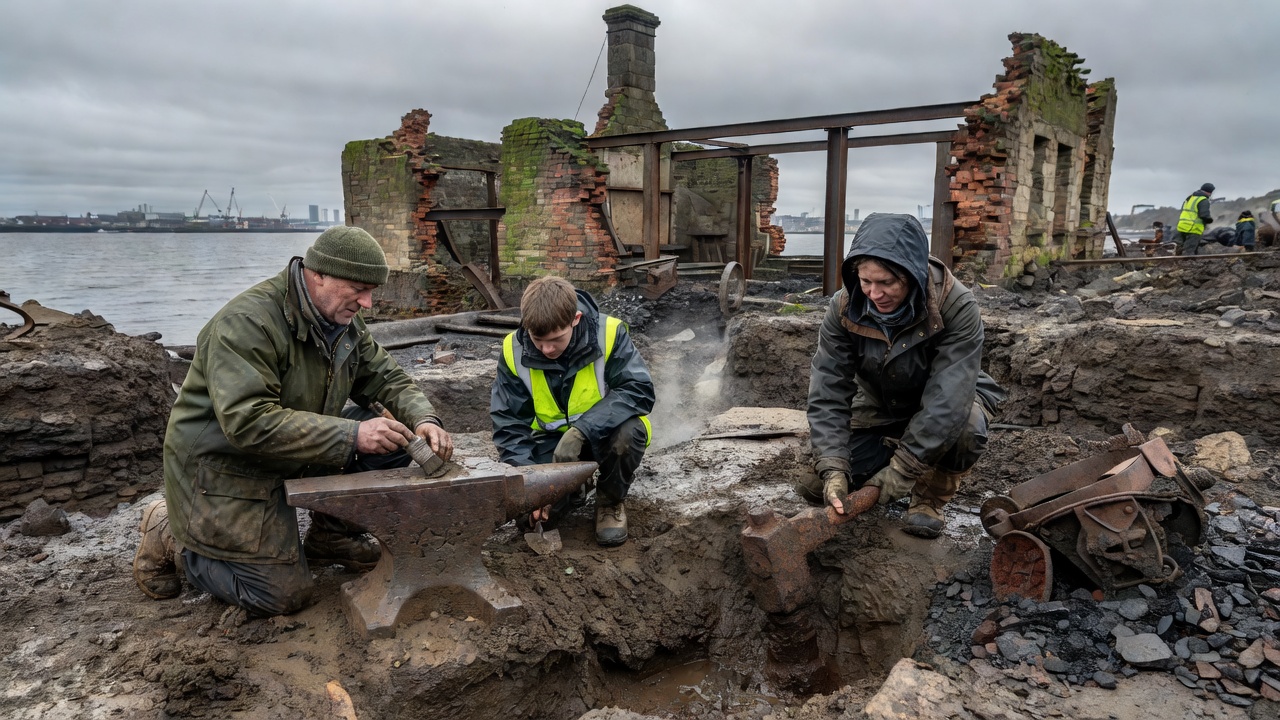
The archaeological excavation along the banks of the River Tyne has brought to light significant remnants from a Victorian forge. Conducted over several months, the project was initiated following preliminary surveys that indicated potential historical structures beneath the surface. The findings include structural remains of furnaces and workbenches that were integral to metal forging activities during the 1800s.
Key Discoveries at the Site
Among the most notable artifacts are pieces of wrought iron, anvil bases, and coal residues that point to intensive forging operations. Archaeologists employed ground-penetrating radar and careful stratigraphic analysis to map the layout of the forge without disturbing fragile elements. The remnants suggest that the forge was involved in producing tools and parts for the burgeoning shipbuilding industry prevalent in the Tyne area. Experts have dated the primary activity period to between 1840 and 1880 based on associated pottery and glass fragments found in the same layers. Environmental analysis of the soil has revealed traces of heavy metals consistent with industrial pollution from that era. This discovery adds to the growing body of evidence about how local communities adapted to rapid industrialization.
Broader Context and Future Preservation
The site holds particular value for studies into Tyne Forge Heritage as it exemplifies the scale and sophistication of Victorian metalworking practices. Historical records indicate that forges in this region supported major engineering projects including bridge constructions and railway developments. Conservationists recommend that the area be designated as a protected heritage zone to prevent damage from urban expansion or natural flooding. Plans for a small interpretive center are being discussed to showcase the artifacts and educate visitors on the industrial legacy of the Tyne. Ongoing collaborations between universities and local heritage groups aim to conduct further digs in adjacent areas. Such efforts ensure that the stories of past workers and innovations are preserved for future generations. The project has also sparked interest in similar potential sites along the river, promising more revelations about the area's rich past.